Israel and Somaliland share the same experience of being unrecognised by neighbours, with some wishing to wipe them off the map. That means I genuinely care about Israel. I understand what they are going through to survive. My position predates the mutual recognition of these countries because it is grounded in a basic understanding of justice and realism in international relations.
With that said, Israel is at a crossroads. Under Netanyahu, Israel is creating more enemies and fewer friends. A clear example is the attack on the Syrian government while expanding further into its territory. Israel needs new leadership in the next election, and the Abraham Accords must move beyond symbolism and deliver a final resolution to the Palestinian issue.
We have to be honest. Much of the instability in the region can, in one way or another, be traced back to the Palestinian question. If the Middle East had a credible and enforceable peace roadmap, Iran and its proxies would have far less room to exploit the Palestinian issue as a Trojan horse to advance their expansionist Shia doctrine.
Abraham Accords V2 cannot be a wish list. It must be a structured agreement with a clear and final pathway to regional peace.
This is where realism matters. Realism tells us that sovereign states do not forfeit land gained through force without a meaningful transaction. Criticism alone, no matter how constant, does not change borders. This is why the current approach to a Palestinian state remains deeply flawed.
After Gaza, it is difficult to argue that placing two fully independent armed entities side by side will lead to lasting peace rather than recurring conflict. The two-state solution, as currently framed, has become more of a diplomatic reflex than a viable strategy.
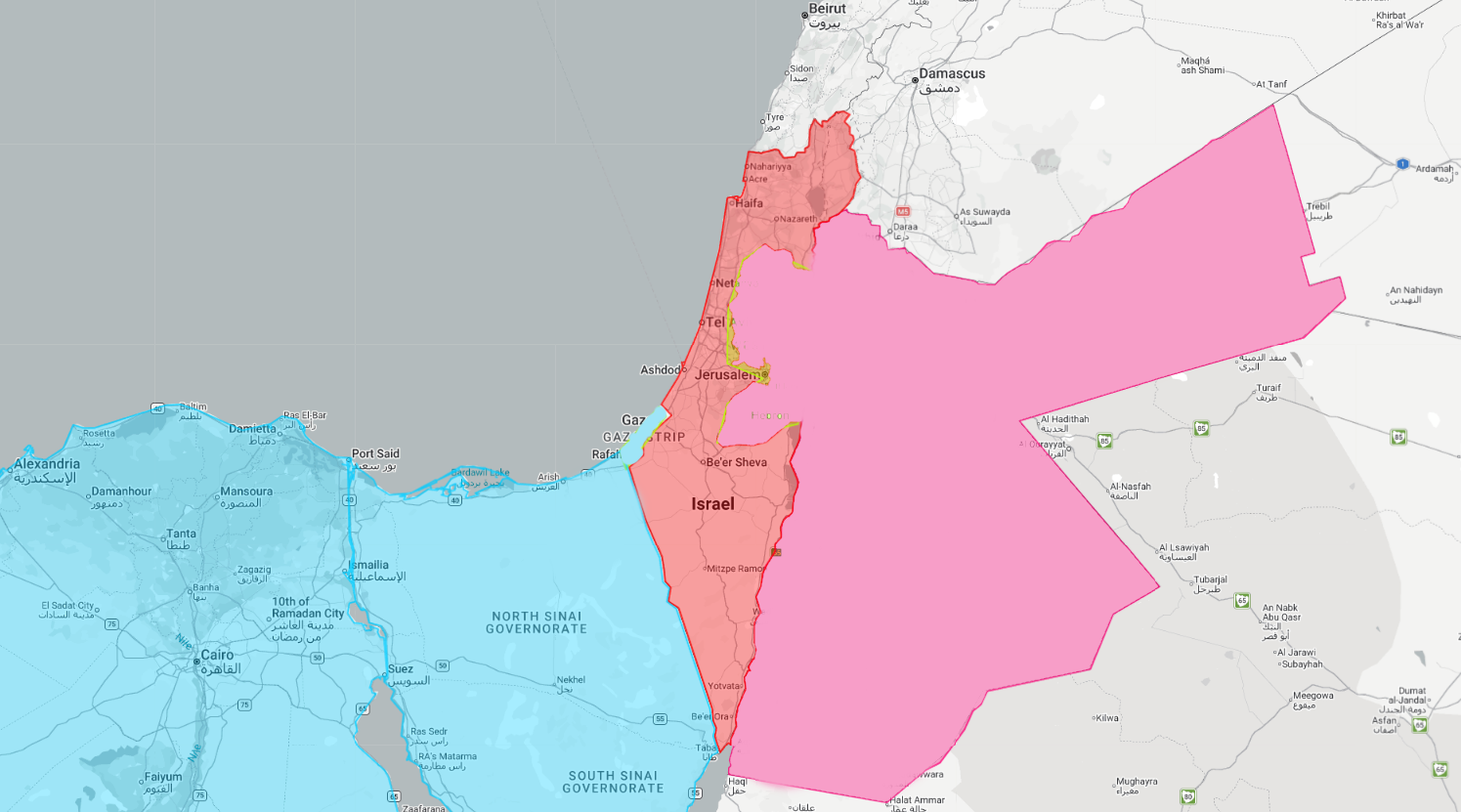
A more realistic path is a three-state solution:
- Israel
- Egypt (administering Gaza)
- Jordan (administering the West Bank)
These arrangements could take the form of federal-style administrations with limited security responsibilities, focused on governance and stability rather than militarisation. Settlements would remain as of late 2025, with structured options for relocation where necessary to support a more coherent border framework.
As Jews face a rising global wave of antisemitism, securing real peace with immediate neighbours is no longer optional. It is urgent. Genuine, enforceable agreements with Egypt, Jordan, and the broader Arab world would anchor Israel in its own region. That is a far more durable shield than reliance on American conservatives alone, who represent only part of the United States, and ultimately, a single point of failure whenever there is a US election.