
Recognition advocacy depends on reaching people who can shape political communities around decision makers. That was the purpose of a private message I sent to an American political influencer.
The message praised the United States and contrasted Somaliland with Houthi controlled Yemen and Somalia. After it was published on X, attention settled on one phrase, “We long for you guys.”
My aim was to get people talking about Somaliland. It did not happen exactly as planned, but it achieved that goal. Most importantly, voices in the MAGA space corrected the confusion by explaining the difference between Somaliland and Somalia. Their replies received the most likes, while Somalilanders debated my language.
Genuine concern from several Somalilanders deserves an answer. This article explains why Somaliland can speak with warmth and confidence and how that is not considered begging.
Normal Statecraft
Every state makes diplomatic requests. The UAE seeks market access, Israel seeks security cooperation, Ethiopia seeks trade routes, and others pursue treaties, investment or political support.
Somaliland's main request is recognition. The objective is foundational, but the machinery is familiar. Choose partners, understand their interests, build support and offer mutual value. Anyone who thinks Somaliland is alone in seeking an important outcome is wrong.
Edward Newman and Gëzim Visoka call this a foreign policy of state recognition. Their study of Kosovo shows that diplomatic agency, skill and timing can mobilise support.
Public Square
Confusion begins when foreign policy enters the public square. Some Somalilanders expect diplomacy to sound formal and distant, so they read warmth as submission.
Public diplomacy engages foreign populations and political communities in support of national goals. Digital platforms let advocates and diaspora networks reach them directly.
This does not replace formal diplomacy. It creates relationships where official access is limited. I cannot overstate how important this is for Somaliland. It distinguishes our position from that of recognised states with embassies.
Affinity First
Within this field, I use a method I call Affinity First Diplomacy. It uses genuine affection to open a political relationship.
It begins with a simple message. We see you. We respect you. We appreciate your country and your people.
My messages to audiences in the United States, the UAE, Israel and Ethiopia followed this approach and reflected views I had already expressed. Those posts were accompanied by articles on this blog containing detailed analysis and strategies that had already produced results.
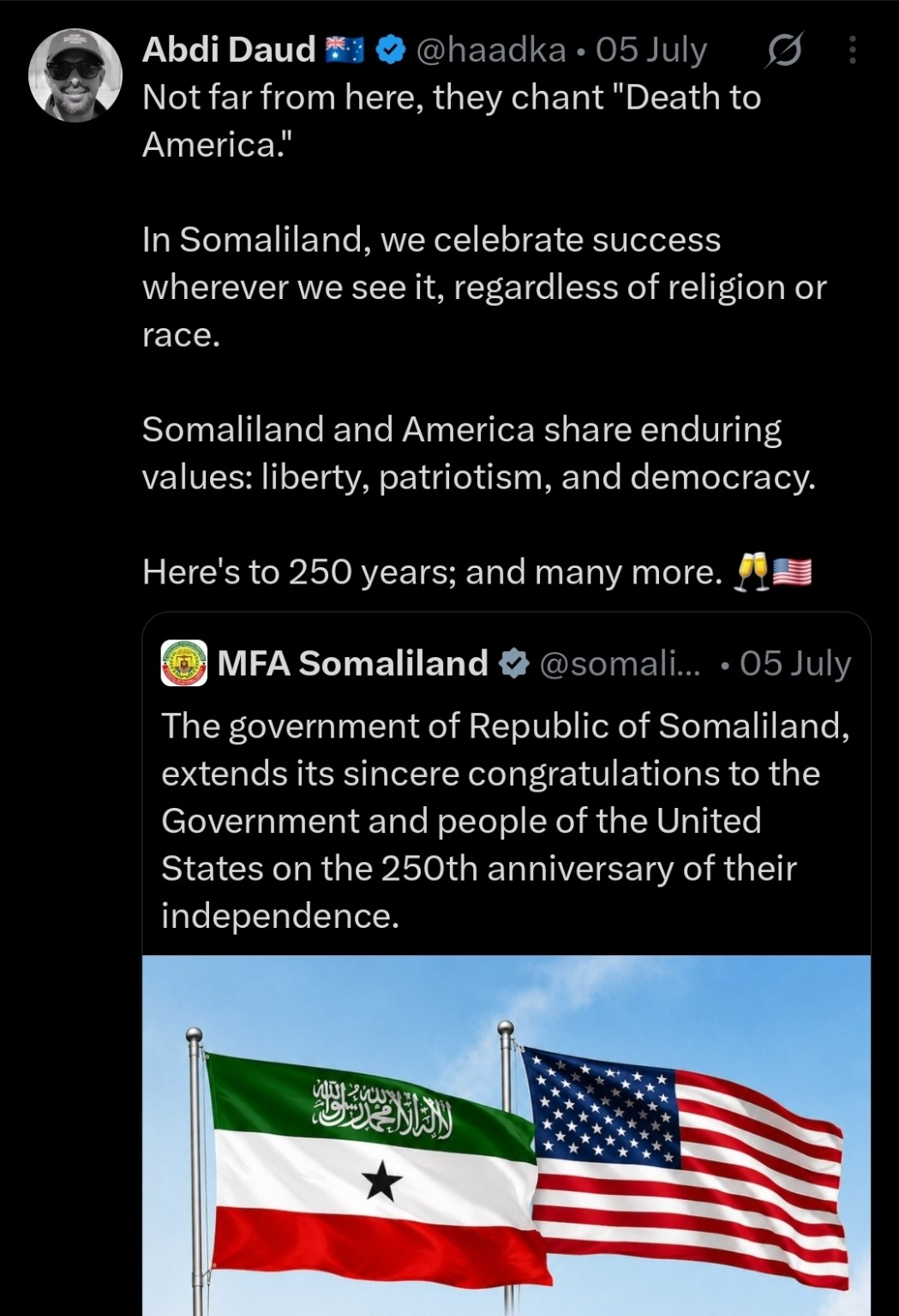
United States example.
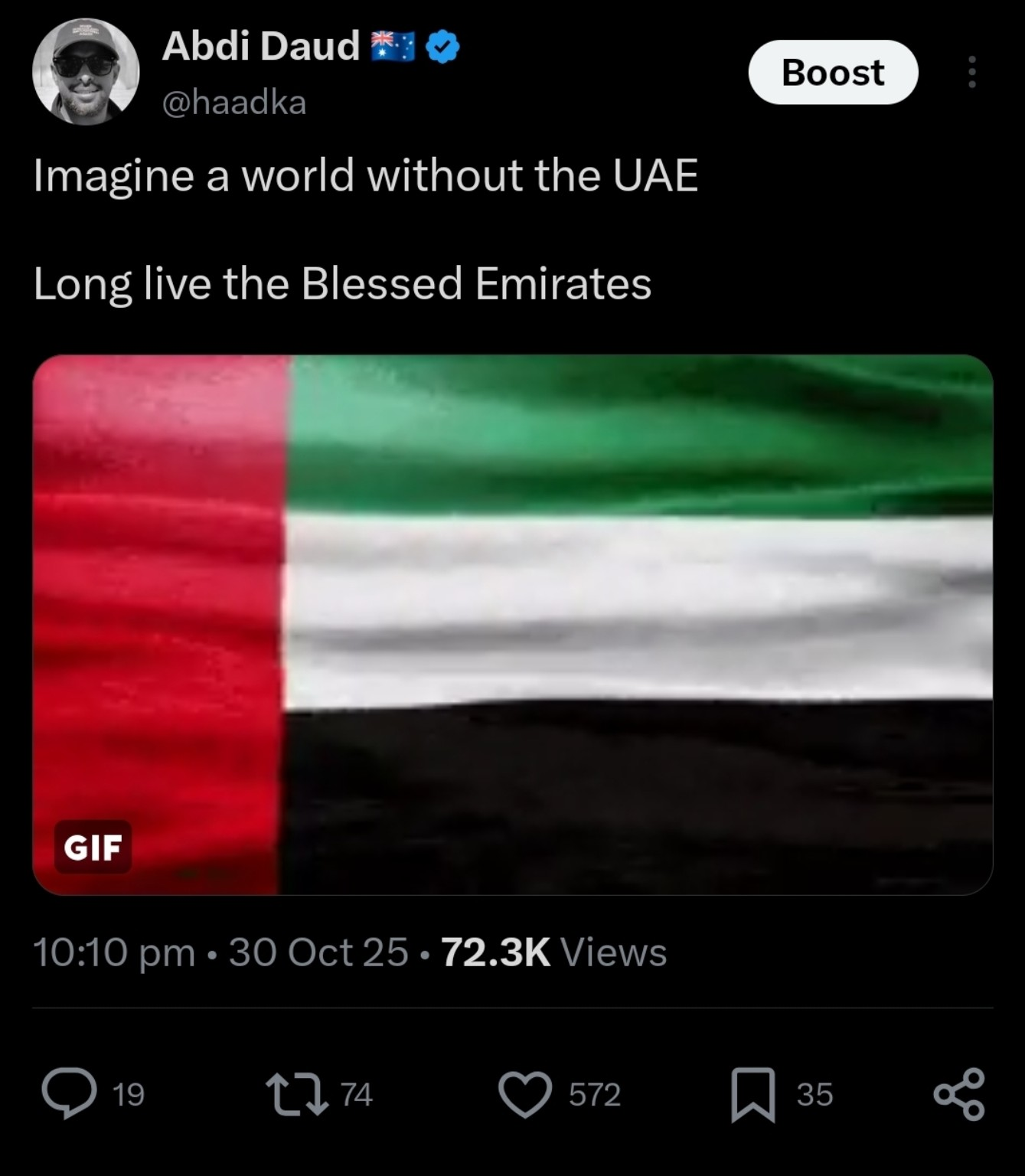
UAE example.
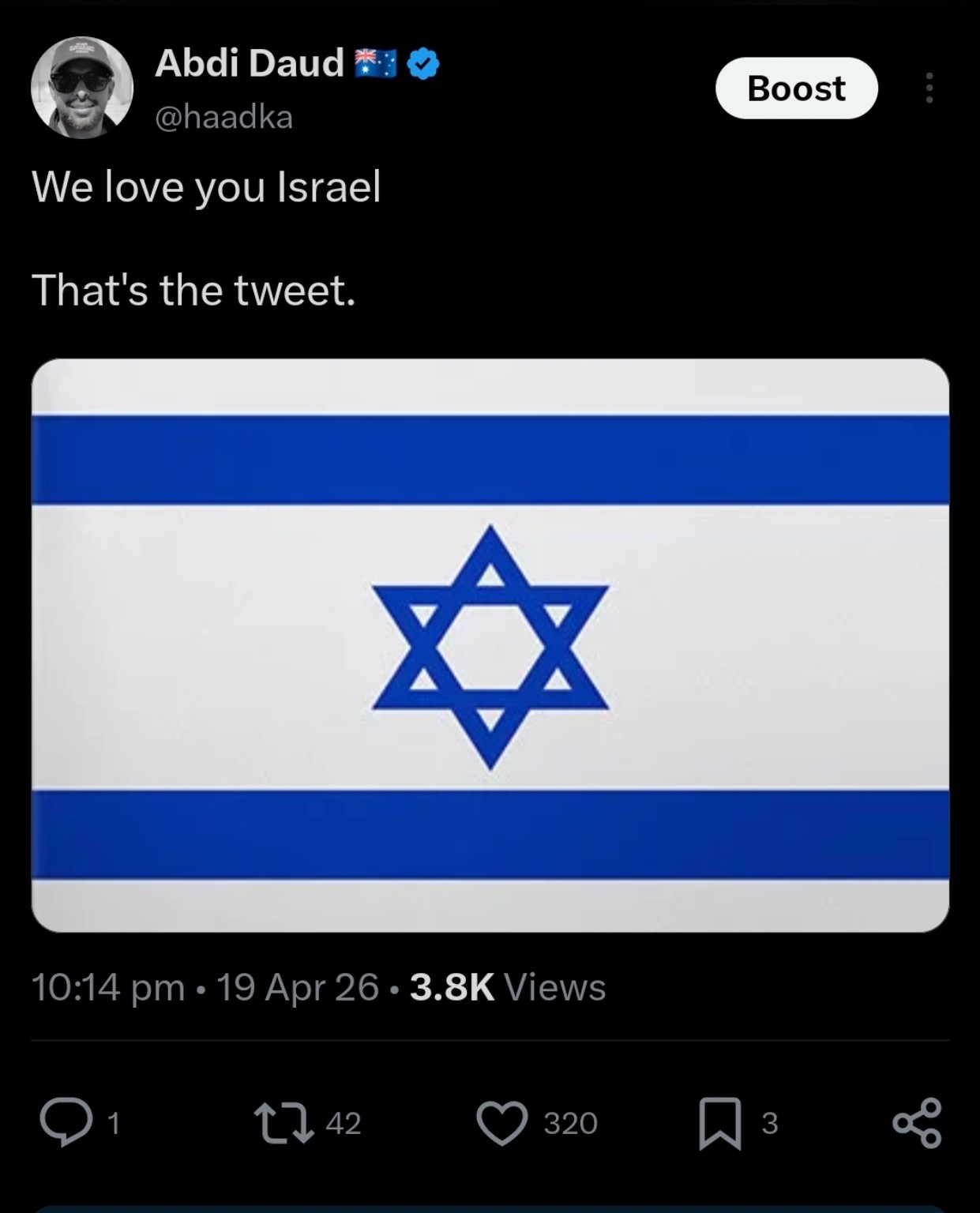
Israel example.
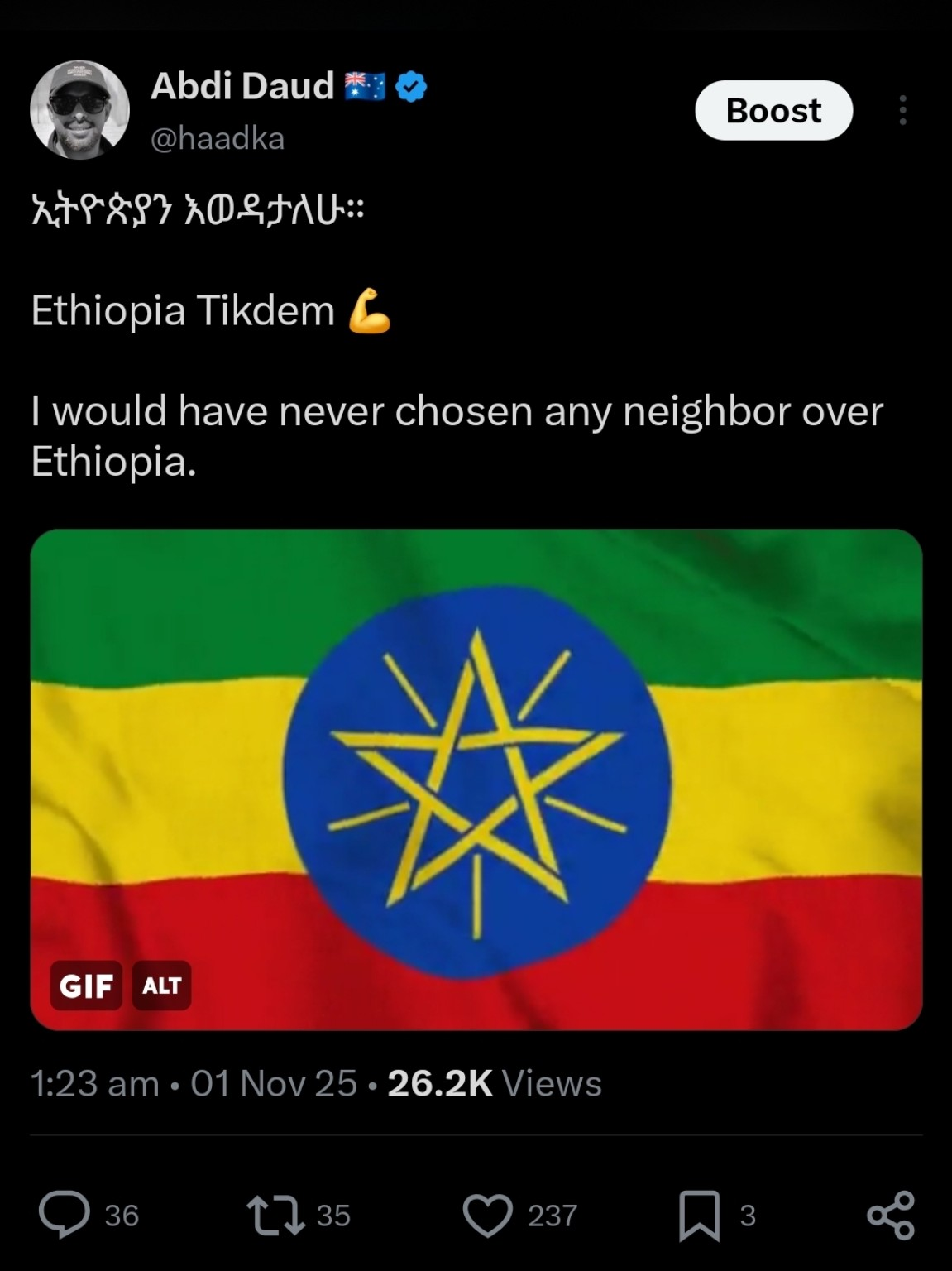
Ethiopia example.
Somaliland's ambassador to Israel, Dr Mohamed Hagi, offered another example during the final stages of negotiations with Israel.
“You will be in the hearts of six million Somalilanders.”
President Abdirahman Mohamed Abdullahi Irro later used the same approach.
“Only one country desired to see us and recognize Somaliland, and that’s the government of Israel and its people.”
He received warm applause when he said this in a public speech during his first visit to Israel. The same effect is particularly visible on X, where condemnation, accusation, lecturing and mockery dominate political conversation. An uncomplicated expression of appreciation from a foreign voice can stand out. It creates curiosity about who Somalilanders are, why they feel warmly towards another country and what kind of relationship they propose.
Failed states cannot credibly afford this approach. Only partners with the capacity to exchange value can begin with such a message. A self defeating entity cannot. A patriotic society can connect with patriots in another country.
We are not begging at the door. We are opening it.