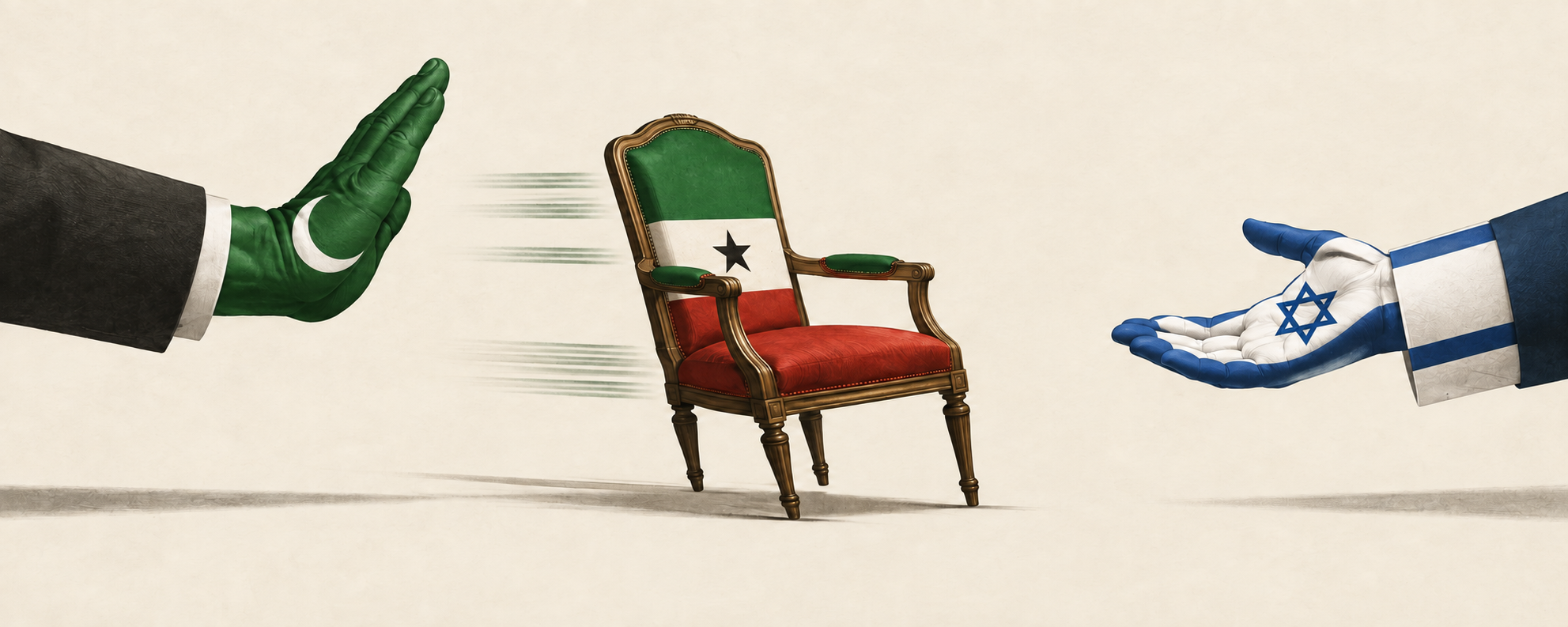
Anti Somaliland voices demand that Hargeisa either cut relations with Israel or keep them so superficial that recognition produces no serious partnership. Both demands ask Somaliland to carry the cost of their hostility while its critics preserve the boycott that created Israel's opening.
Cutting relations would not make Somaliland principled. It would paint it as a backstabbing nation that does not honour partnerships and gives up at the first challenge. Israel became the first United Nations member state to recognise Somaliland while others mobilised against that decision. If Hargeisa retreats under pressure, every government weighing recognition will see a country that accepts costly commitments but will not defend them. Recognition is an act of trust; repaying it with strategic betrayal would destroy confidence in Somaliland's word.
The demand for superficial relations fails on its own terms. Many Arab and Muslim governments deny Somaliland recognition, oppose those who recognise it and still presume to decide whom Hargeisa may trust. They may oppose its Israeli ties, but boycotting Somaliland gives them no right to dictate its partnerships. That is not solidarity. It is control without partnership, as the case for a realistic Arab policy on Somaliland makes clear.
Arab and Muslim foreign ministries seeking to slow deeper Israeli ties must recognise Somaliland, form partnerships and compete for its trust. Recognition gives them standing, partnership gives them influence, and peaceful competition in Somaliland gives Hargeisa options. Without alternatives, every denunciation raises the value of Israel's recognition partnership. A boycott is not a brake. It is an accelerator.
Call this the boycott dividend, the political value Israel gains whenever its rivals isolate the partner it recognised. Exclusion transfers leverage to the country that broke the isolation, and current Arab and Muslim policy keeps paying that dividend.
If they want less Israeli influence in Somaliland, they must stop giving Israel a monopoly on recognition.