A comprehensive rebuttal to Ambassador Larry André's arguments against Somaliland's recognition, exposing legal, historical, and strategic realities that demand decisive American leadership in the Horn of Africa.
When you deny the most legitimate case, you don't eliminate secessionist sentiment; you radicalise it. How Somaliland's treatment teaches potential secessionists that peaceful paths lead nowhere.
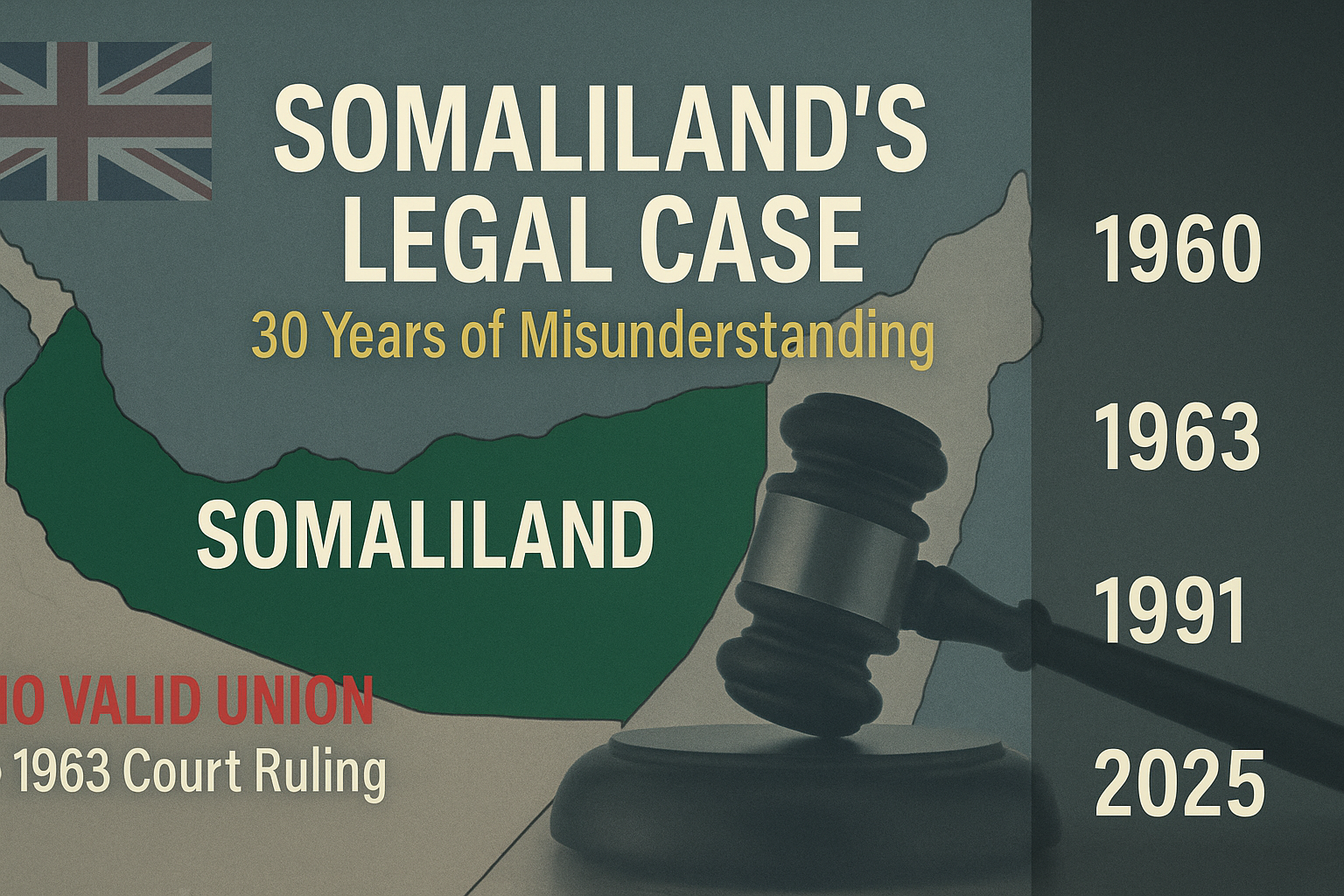
An analysis of two competing narratives about Somaliland's status: the continuity position arguing for restoration of pre-existing statehood versus the dissolution narrative. Examining which position is closer to historical and legal facts, has greater global impact, is supported by stronger references, and which Somaliland should pursue to advance recognition.
Let’s clarify from the outset: when defining Somaliland, the primary information should be based on established principles of statehood in international law; not media or political perspectives. So, in this context:
After years of analysing Somaliland's diplomatic trajectory, a harsh truth has emerged: our government cannot, and will not, deliver recognition alone. The chain of setbacks, from doormat diplomacy to strategic missteps, has revealed a clear reality that the Somaliland political establishment refuses to acknowledge. It is time for a fundamental shift.
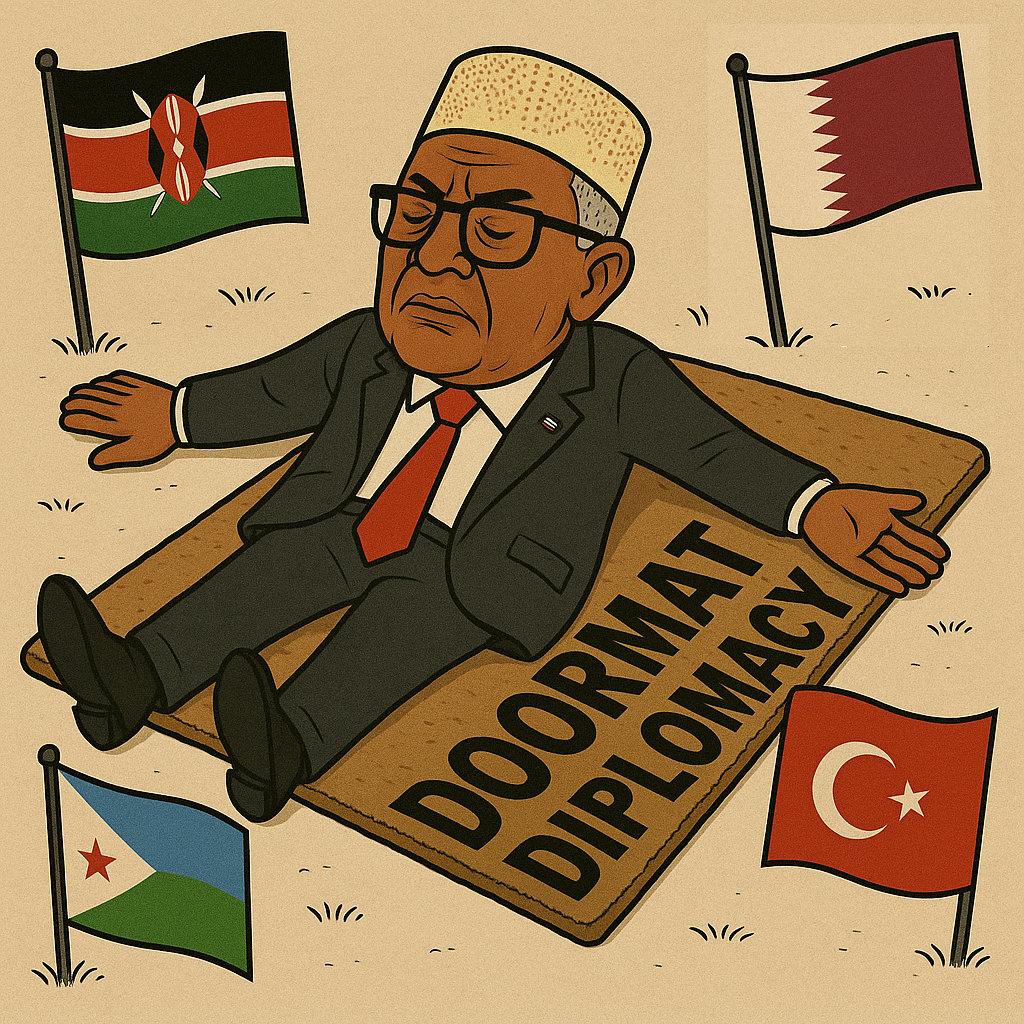
In recent months, Somaliland's new president Irro has embarked on highly publicised visits to Djibouti, Kenya, and most recently Qatar. But instead of reinforcing Somaliland's hard-earned sovereignty, these trips have exposed a dangerous shift in our foreign policy - a shift toward what can only be described as doormat diplomacy. In contrast to previous realism-driven strategies, Irro's administration appears willing to forfeit dignity, leverage, and strategic clarity for symbolic niceties and hollow promises.
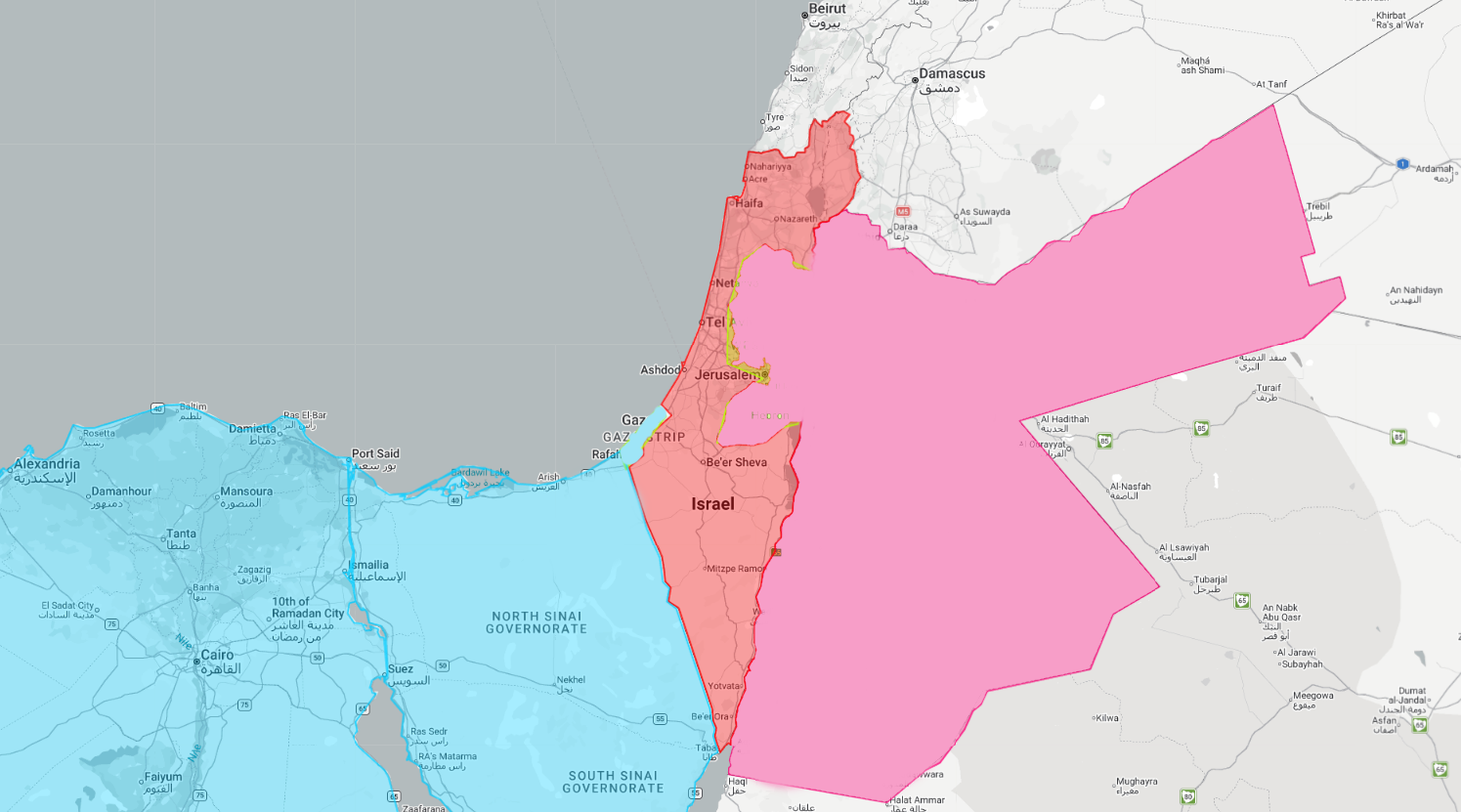
In recent weeks, Somaliland's new president Muse Bihi's successor, Irro, has embarked on highly publicised visits to Djibouti and Kenya. But instead of reinforcing Somaliland's hard-earned sovereignty, these trips have exposed a dangerous shift in our foreign policy - a shift toward what can only be described as doormat diplomacy. In contrast to Bihi's realism-driven strategy, Irro's administration appears willing to forfeit dignity, leverage, and strategic clarity for symbolic niceties and hollow promises.
---
Yes, culturally, Isaaq is ultimately one large clan. However, one of the biggest misconceptions about Somaliland is considering the Isaaq as a single monolithic clan politically speaking. This has led to even more misconceptions:
Before addressing why Somaliland is not recognised, it's important to ask why this question comes up so often. When you type "Why Somaliland?" into Google, it's the top result, and there's a reason for that.
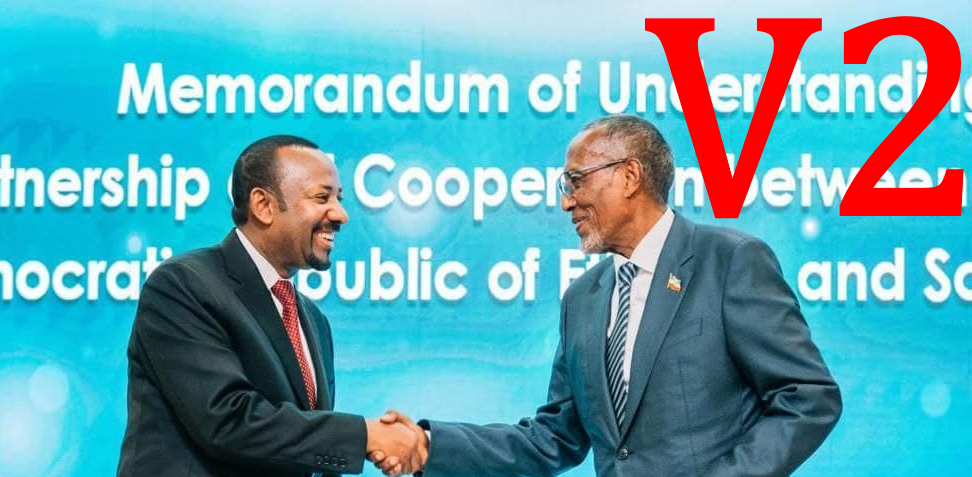
Welcome to the August edition of Understanding the Memorandum of Understanding, where we explore the ongoing aftershocks of the MoU signed between Somaliland and Ethiopia. In this edition, we highlight who is truly against Somaliland’s recognition and by extension the MoU.
Let's leave out the "he said, she said" of Bloomberg's fake news and discuss real geopolitics.
The government of Somaliland, led by President Bihi, has adopted a bold approach to geopolitics that can be considered a form of shock therapy. This approach has upset China by aligning with Taiwan and has surprised the global community through a significant Memorandum of Understanding with Ethiopia.
Instead of thinking about the Roman Empire, how about if we reflect on Galileo Galilei in the 1500s, Galileo dared to refute that the Sun revolved around the earth, facing scorn for challenging such myth.
Since its liberation in 1991 after a brutal struggle, Somaliland has showcased remarkable self-reliance, democracy, and peace in a region typically marked by turmoil. Its unique history lays a solid foundation for its legally uninterrupted independence, offering a beacon of hope in the Horn of Africa. This region is in desperate need of a role model, and the question arises: while not perfect, why does the world deny it when such a role model has been stable for over three decades?
Dear Crisis Group In your recent episode “Ethiopia’s Push for Sea Access” with Christopher Clapham, you have proclaimed Without presenting any evidence, that the Memorandum of Understanding (MoU) between Somaliland And Ethiopia will not proceed. This prompts the question: why didn't you host the numerous international relations experts who were either neutral or supportive of the MoU? Furthermore, Somaliland's status, a core issue needing resolution, was not even addressed in your discussion.
The Federal Government of Somalia (FGS) and the United States have been presenting a misleading narrative to the international community, implying that the Memorandum of Understanding (MoU) between Somaliland and Ethiopia might intensify Al-Shabab's activities. Indeed, it could be argued that Somalia would be better positioned to focus on the formidable task of combating terrorism if it ended its delusion of ruling Somaliland in any real sense.
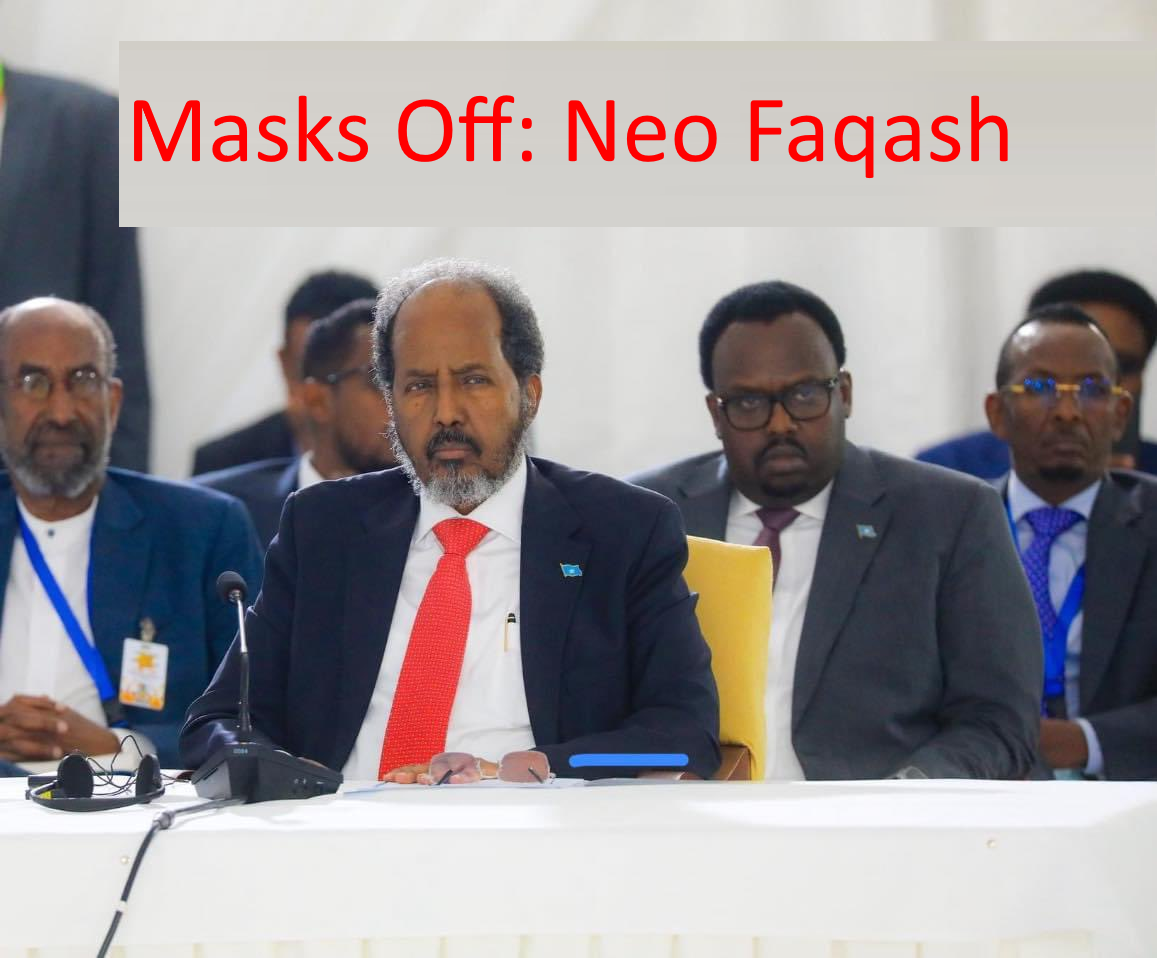
After the signing of the Memorandum of Understanding (MoU) between Somaliland and Ethiopia, the remnants of the Faqash regime appear to ignore the lessons of Somalia’s collapse under Siyad Barre. His genocidal targeting of Somaliland not only devastated the region but also contributed to Somalia’s status as a failed state. This chapter in history clearly illustrates the dangers of such reckless actions.
In late 2020, President Trump made an announcement declaring the United States' official recognition of Morocco's claims over Western Sahara. This decision challenged the stances of international organizations such as the United Nations, International Court of Justice, and even the African Union.
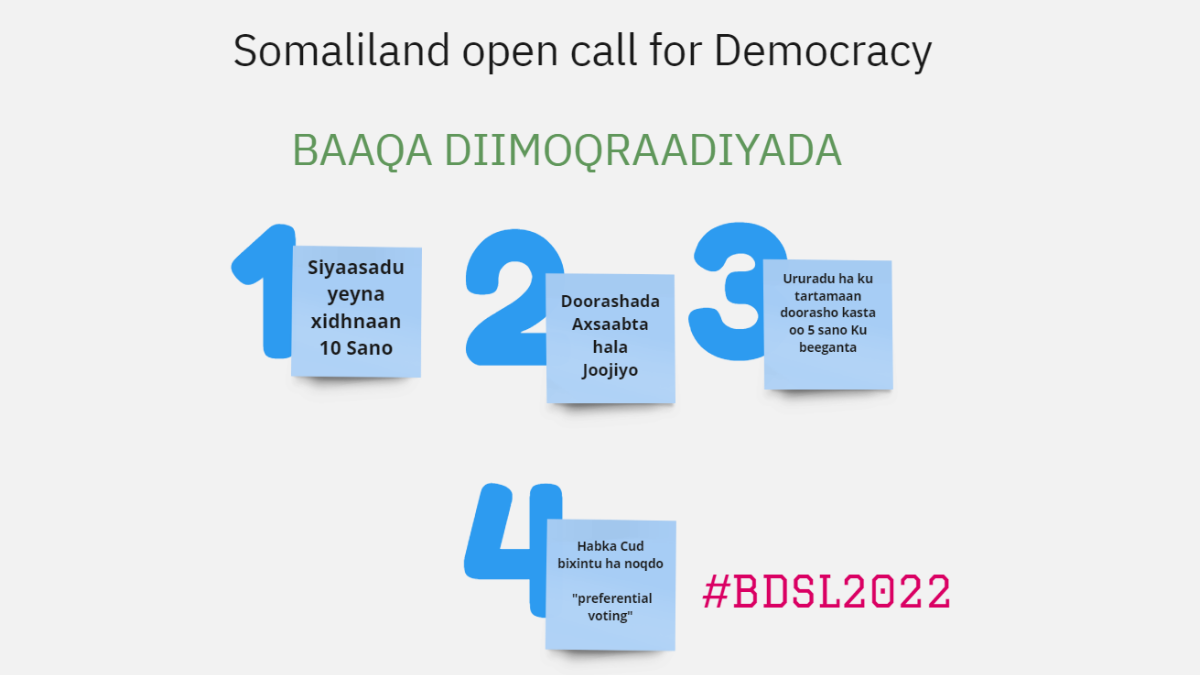
Somaliland politics in 2022 was centred around one question: which elections should come first: presidential elections or party elections. My position has been, we need new parties in Somaliland but we don't need party elections.
2023 is an election year in Somaliland. Two elections are due, party elections and presidential
We, the Somaliland intellectuals who graduated from universities in our country and abroad, stand and advocate for more democratic Somaliland election laws.
My curated list of research papers from academia on Somaliland recognition in 2022
From now and until 2027, forget about something called Somaliland Recognition. That's why I've closed my Twitter account and I am in the process of leaving several Somaliland groups and organisations. I didn't want to share this publicly, but I owe friends some explanation. The close ones know that I have been aiming to quit for some time. So this has nothing to do with any argument with someone but everything to do with Somaliland's foreign policy both from government and opposition.
Before highlighting the interests of the United States in a fully recognised Somaliland, there are benefits that Somaliland will continue to guarantee even without any recognition. These include the fight against piracy, anti-terrorism and being a progressive democracy. Often criticised for being a "peacocracy", Somaliland people and government will protect their interior and external peace. Their homegrown democracy stems from their pastoral roots, and that is unlike to change with or without recognition because democracy enables the competing parties to transfer power fairly and peacefully. This ensures that, unlike Somalia, Somaliland will continue to be a reliable partner in the region without causing headaches in keeping the security and peace in the volatile region of the horn of Africa.
Dear fellow Australian in media, International relations, diplomacy or foreign affairs,
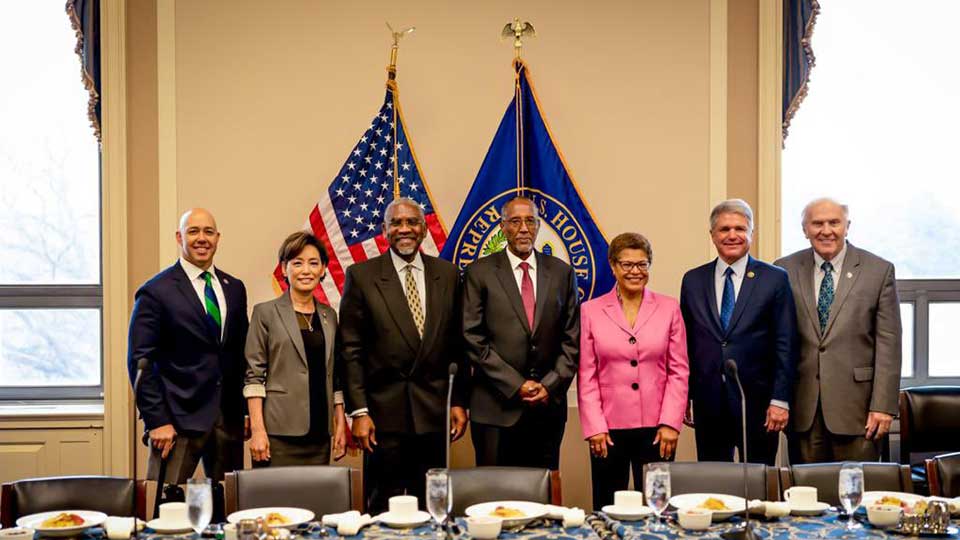
In recent years, Somaliland recognition has become a hot topic within the circles of US congress, top diplomats, think tanks, and international relations experts. This generated different sets of ideas or roadmaps on how the US should establish formal diplomatic relations with Somaliland.
Fadhi-ku-dirir (fighting while sitting) is a term used to describe political arguments between Somalilanders which employ rumours and supremacist clan-based fairy tales. Belligerent in nature, fadhi-ku-dirir is merely for entertainment and for the sake of argument itself. From a young age, I was told, don’t take your uncle’s fairy tales seriously.
After 10 years of fruitless talks with Somalia, the Somaliland public has expressed its frustration and lack of trust in leadership in Somalia. In this article, I will like to offer four principles that can help guide the decision-makers on the future of these talks.
Much like the late President Mohamed Haji Ibrahim Egal, the current President Muse Bihi is not popular with the media and vocal groups in Somaliland. However, it's important to note that the reasons for this differ significantly.
Since the collapse of the Somali Republic, nearly every intervention on Somalia by the international community has failed. It started with Operation RESTORE HOPE in 1992 by the US army and it continues now with delayed elections and the prolonged war to eliminate the Al-Shabab terrorist organization. However, there were success stories such as ending the piracy off the shores of Somalia.
Somaliland stands out in several areas in foreign policy that attract the Biden's administration and the Quad (Japan, Australia, India and US). These areas are China, Taiwan, the horn of Africa, Israel, defence and democracy.
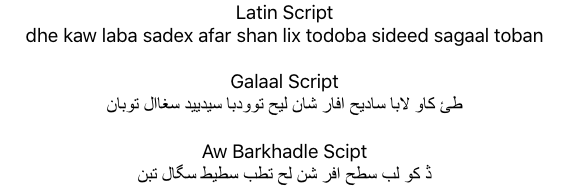
What is Far Wadaad? Far wadaad or Wadaad's writing is writing Somali language in the Arabic alphabet. It is attributed to Sh Yusuf Al-Kawnayn by M.I. Lewis in his book Saints and Somalis. Since Aw Barkhadle is reported to live in the 13th century, this makes far wadaad the original Somali alphabet